What professional liability insurance covers in Illinois
Professional liability insurance in Illinois protects businesses and individuals who provide advice, expertise, or specialized services from the financial consequences of a claim that their work harmed a client. It is sometimes called errors and omissions (E&O) insurance, and in the medical field it is called malpractice insurance. Whatever the name, the core idea is the same: if a client says your professional advice or service cost them money, this policy covers your legal defense and any damages up to your policy limits.
General liability covers bodily injury and property damage. It does not cover a lawsuit claiming you gave bad advice, missed a deadline, made a calculation error, or failed to deliver what a client expected. That gap is what professional liability fills.
A standard professional liability policy in Illinois typically covers:
- Negligence claims: a client alleges your work fell below the accepted standard of care for your profession.
- Errors and omissions: mistakes in documents, reports, designs, or recommendations that cause a client a financial loss.
- Misrepresentation: a client claims you overstated your capabilities or the expected outcome of your services.
- Legal defense costs: attorney fees, court costs, and expert witness fees, which can be substantial even when you win.
- Settlements and judgments: covered up to your policy limit; ask us about the limits that make sense for your firm's size and risk profile.
Most professional liability policies are written on a claims-made basis, meaning both the incident and the claim must occur while the policy is active. This differs from an occurrence-based policy. That is why Illinois professionals need to maintain continuous coverage and purchase "tail coverage" if they cancel or change carriers.
Who needs professional liability insurance in Illinois
Any Illinois business or solo practitioner that earns money by providing a service, giving advice, or applying a specialized skill should have professional liability coverage. That is a broad category, and it includes more professions than most people expect.
Licensed professionals
Some Illinois professions face regulatory or contractual requirements to carry E&O or malpractice coverage. Even where it is not legally required, clients and state licensing boards increasingly expect it. Common examples include:
- Attorneys: legal malpractice claims in Illinois are subject to a statute of limitations that limits how long after an alleged error a claim can be filed; speak with us about how that affects your coverage needs.
- Accountants and CPAs: an audit error or a missed tax filing can expose a firm to six-figure losses from a single client.
- Architects and engineers: design errors on a commercial build in Southern Illinois can trigger claims worth multiples of the original project value.
- Healthcare providers: consult your licensing board and legal counsel about the procedural requirements that apply to malpractice claims in your specialty.
- Real estate agents and brokers: 225 ILCS 454 (the Illinois Real Estate License Act of 2000) contains no errors-and-omissions insurance requirement; E&O is not a condition of license renewal for Illinois brokers under state law. Many brokerages and clients, however, expect E&O coverage as a matter of professional practice.
Consulting and technology businesses
Illinois has a growing base of IT consultants, software developers, marketing agencies, HR consultants, and management consultants, particularly in smaller cities like Marion, Mount Vernon, and Carbondale that serve regional business clients. If your deliverable is a recommendation, a report, a system, or a strategy, you face professional liability exposure. A software bug that takes a client's e-commerce store offline for a week is not covered by general liability. A marketing campaign that a client claims produced no results and cost them business is not covered either.
Trades and contractors who design as well as build
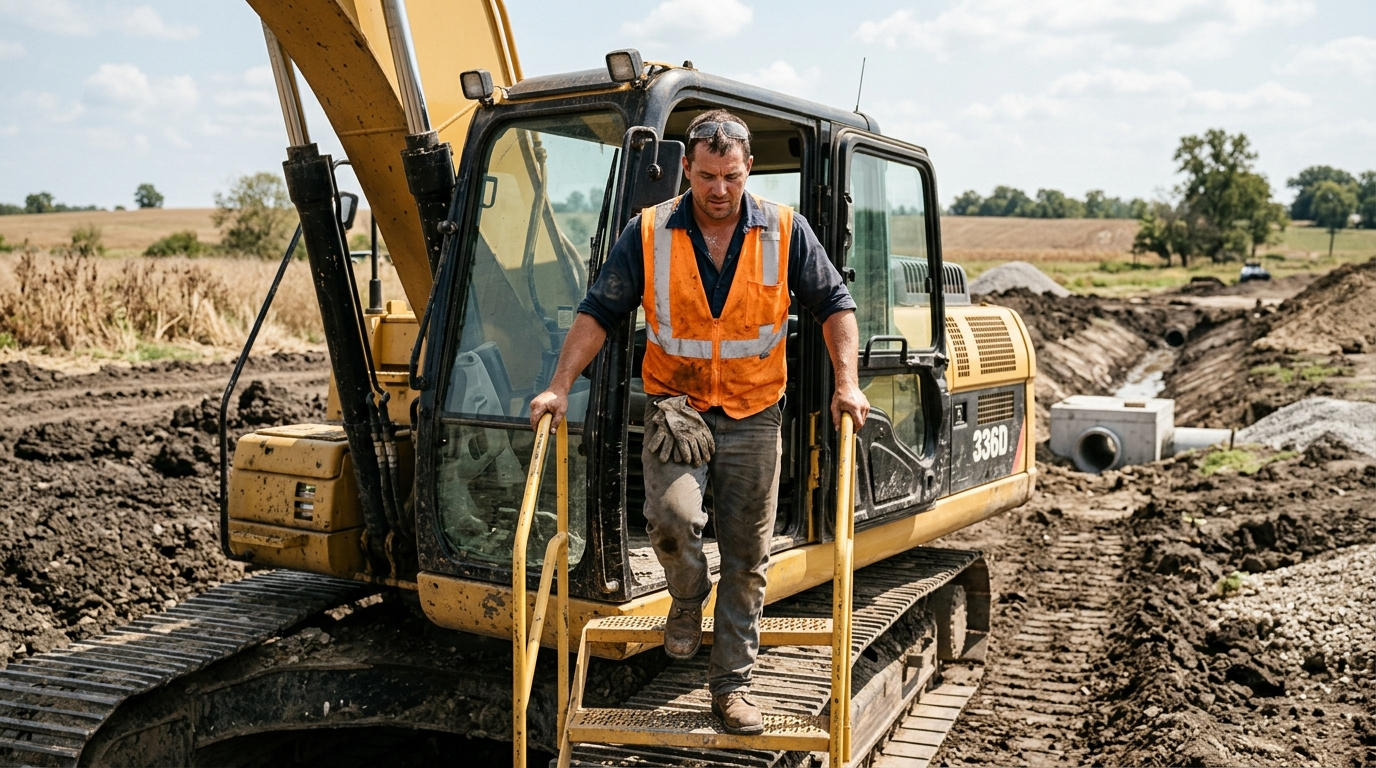
Traditional tradespeople often assume E&O does not apply to them, but that changes the moment they offer design services, project management, or consulting alongside physical work. A general contractor in Southern Illinois who provides design-build services has both a general liability exposure and a professional liability exposure.General liability insurance handles the physical side; professional liability handles the design and advice side.
How much professional liability insurance costs in Illinois
Premiums vary widely depending on your profession, revenue, claims history, and the limits you choose. The cost of coverage depends on factors specific to your business, so contact us for a quote tailored to your situation.
- Freelance consultants and solo practitioners: premiums depend on your specialty, revenue, and the limits you choose; ask us for a quote.
- Small accounting or bookkeeping firms: rates vary based on revenue and the complexity of client work; ask us for a quote.
- IT consultants and software firms: firms handling sensitive client data or critical systems generally pay more; ask us for a quote.
- Engineering and architecture firms: premiums tend to be higher because the severity of potential claims is greater; ask us for a quote.
- Healthcare providers: rates are highly variable by specialty and claims history; ask us for a quote.
These are starting points, not quotes. Carriers underwrite each risk individually. An independent agent can run your profile through multiple carriers at once to find the best combination of price and coverage terms, which matters when policies differ this much in what they exclude.
Rating factors include your annual revenue, the specific services you perform, how long you have been in business, your prior claims history, and the types of clients you serve. Working with large corporate clients in high-stakes industries raises your premium; working with small local businesses generally lowers it.
What professional liability does not cover
Understanding exclusions matters as much as understanding coverage. Common exclusions on Illinois professional liability policies include:
- Intentional wrongdoing or fraud: if you knowingly deceived a client, no policy will cover the resulting claim.
- Bodily injury and property damage: that is your general liability policy's job. The two coverages are designed to work together.
- Employee claims: a disgruntled employee suing over wrongful termination or harassment is an Employment Practices Liability (EPLI) issue, not professional liability.
- Claims arising before your policy's retroactive date: on a claims-made policy, incidents before the retroactive date are excluded. This is why continuous coverage matters.
- Contractual liability beyond what you would face at common law: agreeing in a client contract to indemnify them for losses beyond the legal standard can strip coverage.
- Cyber incidents: a standalone cyber liability policy is typically needed; some E&O policies have limited cyber endorsements, but they are rarely sufficient on their own.
Some Illinois businesses pair professional liability with a Business Owners Policy (BOP), which bundles general liability and commercial property coverage. The BOP handles the physical and general liability side; the professional liability policy covers the advice and service exposure. Together, they give most small professional firms a solid coverage foundation.
Illinois-specific considerations for professional liability
Illinois has a few statutes and patterns worth knowing before you buy a policy.
Statutes of limitations for professional negligence in Illinois vary by profession. Public accountants are governed by 735 ILCS 5/13-214.2, and architects and engineers are governed by 735 ILCS 5/13-214 (the construction statute), which provides a four-year limitations period running from when the claimant knew or reasonably should have known of the act or omission, with a ten-year statute of repose. This multi-year window is part of why claims-made tail coverage is not optional. A client can file a claim well after the project is complete.
Illinois does not have a statewide licensing mandate requiring most professions to carry professional liability insurance, but several sectors have it built into industry standards or client contract requirements. State contracts and many corporate client agreements require E&O coverage certificates before work can begin. If you are bidding on public projects in Southern Illinois counties or state agency work, expect to show proof of coverage.
Southern Illinois has a diverse economy mixing agriculture, healthcare, light manufacturing, and a growing professional services sector in cities like Carbondale and Marion. Small professional firms in these communities often underestimate their exposure because they operate locally and assume relationships protect them from lawsuits. Relationships do not hold up in court the way a solid insurance policy does.
If your business operates in multiple states, make sure your policy covers services performed across state lines. Some policies have geographic limitations that can leave Illinois professionals exposed when they serve out-of-state clients.
How to choose the right professional liability policy
Shopping professional liability coverage is more involved than shopping auto or property insurance. Key things to evaluate:
- Claims-made vs. occurrence: most professional liability policies are claims-made. Understand your retroactive date and plan for tail coverage if you ever leave coverage.
- Defense outside vs. inside the limit: some policies pay defense costs outside the policy limit, which is better for you. Others pay defense costs from within the limit, which can deplete your coverage quickly in a complex case.
- Consent to settle: a "hammer clause" means that if you refuse a settlement and the case goes to judgment for more, you share in the excess. A "pure consent to settle" clause gives you control. Know which one you are buying.
- Policy exclusions: read them. Exclusions for specific industries, types of services, or client categories vary by carrier and matter a great deal in practice.
- Per-claim vs. aggregate limits: the right limits depend on your profession, the size of your client engagements, and your risk profile; ask us what level of coverage makes sense for your business.
An independent agency can compare multiple carriers on these terms side by side, which is genuinely difficult to do on your own. Carriers specialize by profession, and the best carrier for an accountant in Carbondale is often not the best one for an IT firm in Marion. Learn more about your professional liability coverage options and what different carriers offer for Illinois businesses.
If your business is still building out its full commercial insurance program, it is worth reading the Illinois small business insurance guide to make sure you are not missing other coverages alongside E&O.
Get professional liability coverage that fits your Illinois business
At Zirkelbach Insurance Agency, we are an independent agency, which means we work for you, not for any single insurance carrier. We compare professional liability policies from multiple carriers to find coverage that matches your profession, your client base, and your budget. We serve businesses across Southern Illinois, including Marion, Mount Vernon, Carbondale, Harrisburg, and the surrounding communities.
If you are not sure whether you need professional liability insurance, or if your current policy has gaps, we are happy to walk through it with you. Call us at (618) 313-7001 or reach out through our contact page to get started. There is no pressure, and the conversation costs you nothing. Getting the right coverage in place before a claim arrives is always easier than dealing with the alternative.