What farm insurance in Illinois actually covers
If you operate a farm in Illinois, the risks you face are nothing like what a standard homeowners or business policy is built to handle. Farm insurance in Illinois is a specialized line of coverage designed to protect everything tied to your operation: the land, the buildings, the equipment, the livestock, and the income that depends on all of it. A bad hailstorm, a grain bin fire, a tractor accident on a county road, a guest injured on your property during a fall harvest event, any one of these can cost tens of thousands of dollars without the right policy in place. This post covers the core coverages most Illinois farm operations need, the gaps that catch people off guard, and how to make sure your policy actually fits your operation.
Farm dwelling and structures coverage
Most farm policies start with the farmhouse itself, but structures coverage goes well beyond the main residence. Every outbuilding on your property represents real value and real exposure.
- Farmhouse coverage protects the primary residence on the farm, typically on a replacement cost basis so you are not stuck with a depreciated payout after a total loss.
- Barns and outbuildings such as grain storage buildings, machine sheds, hog confinement facilities, and dairy barns need to be scheduled and insured to their actual replacement value. Many older policies carry outdated values that would leave a major gap.
- Fencing including field fencing, perimeter fencing, and livestock enclosures can be covered under certain farm policies, though limits and conditions vary by carrier.
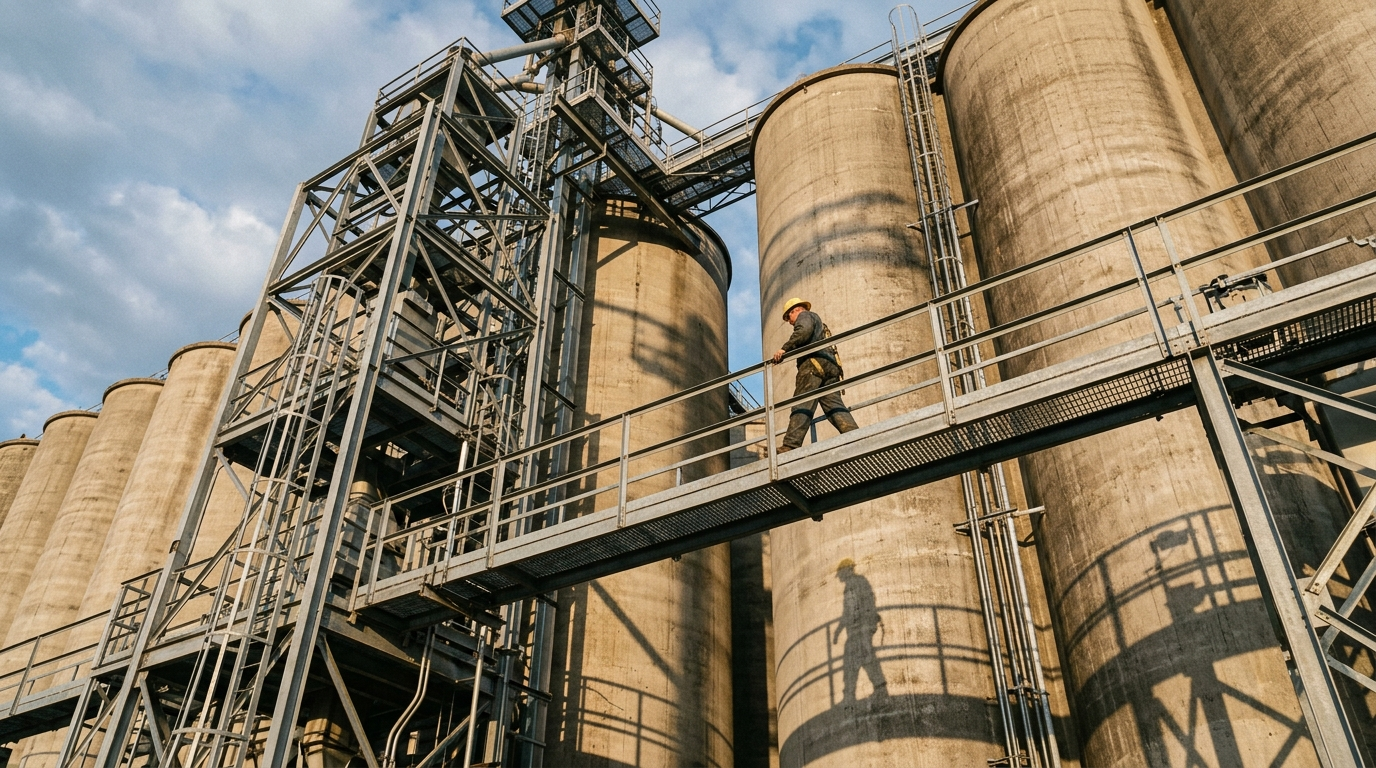
- Grain bins can cost $50,000 to $150,000 or more to replace depending on size. Bin coverage needs to be explicit in your policy, not assumed.
Illinois weather creates a constant threat to structures. Tornadoes, straight-line winds, hail, and ice storms hit southern Illinois farms hard. If you have not had your coverage values reviewed recently, there is a real chance your structures are underinsured at today's construction costs.
Farm equipment and machinery coverage
Equipment is often the single largest asset category on a working farm, and it is one of the most complicated to insure correctly. A modern combine can cost $400,000 to $600,000 . Even a solid used tractor can run $80,000 to $120,000. Getting this coverage wrong is an expensive mistake.
Farm equipment coverage generally comes in two forms. A scheduled equipment list covers each piece of machinery you specifically name, with an agreed or stated value. A blanket equipment policy covers all farm machinery up to a set total limit without requiring you to list every item. Blanket coverage is more flexible, but the blanket limit must be high enough to cover your actual inventory.
Questions to work through with your agent:
- Agreed value vs. actual cash value. Agreed value means no depreciation deduction at claim time. Actual cash value means depreciation applies, which can cut a payout dramatically on older equipment.
- Rented or borrowed equipment. If you regularly use equipment you do not own, check whether your policy extends coverage to it or whether you need a separate endorsement.
- Custom farming exposure. If you farm other people's land or hire out your equipment, your coverage needs to reflect that. Zirkelbach Insurance Agency works with operations that need custom farming insurance built around exactly that situation.
Livestock and crop coverage
Livestock and crops are where farm insurance looks very different from any standard commercial policy. These are living assets with real market value, and they face risks that no other business category faces in quite the same way.
Livestock coverage
Livestock policies can cover death from named perils (fire, lightning, windstorm, collision) or on a broader all-risk basis, depending on the carrier and the species. Hog operations, cattle operations, and horse farms each have different options available. If you run a hog or livestock operation, it is worth looking at a policy built specifically for that exposure. Coverage for hogs and larger livestock operations is available through livestock and hog farm insurance designed around those unique risks.
Crop coverage
Crop insurance in Illinois is largely administered through the Federal Crop Insurance Corporation (FCIC) and sold through private agents approved to write USDA Risk Management Agency (RMA) products. The main options are:
- Multi-Peril Crop Insurance (MPCI) covers yield or revenue losses from a wide range of causes including drought, flood, hail, disease, and prevented planting.
- Crop-Hail insurance is a private-market product that sits on top of MPCI and provides more targeted hail and fire protection, often with no deductible or a very low one.
- Revenue Protection (RP) is one of the most common MPCI plan types in Illinois, covering both yield loss and price declines.
Illinois corn and soybean farmers have seen firsthand how fast drought conditions can develop. The 2012 drought and subsequent dry years across southern Illinois counties showed many operations why crop coverage is not optional. Sales closing dates for MPCI in Illinois are typically March 15 for corn and soybeans , so planning ahead matters.
Farm liability coverage
Liability is one of the most overlooked parts of a farm policy, and it can expose an operation to the most devastating financial losses. Farm liability covers bodily injury and property damage claims that arise from your farming operations, and it extends to situations a standard homeowners policy does not cover.
Common farm liability scenarios in Illinois include:
- Visitors injured on the property. A hunter given permission to cross your land, a neighbor helping during harvest, a delivery driver: all of them could have a claim against you if they are hurt on your property.
- Livestock escaping and causing an accident. If cattle or hogs get out and cause a vehicle collision on a public road, you face a real liability exposure.
- Agritourism operations. Corn mazes, pumpkin patches, and farm stands bring the public onto your property and create significant liability exposure. Standard farm liability often does not extend to agritourism activities automatically. A separate agritourism insurance policy or endorsement is usually required.
- Custom farming liability. If you operate equipment on someone else's land, you have liability exposure there too.
Farm umbrella policies provide a cost-effective way to add $1 million to $5 million or more in additional liability protection above your base farm liability limits. Given the value of modern equipment and the size of jury awards in serious injury cases, an umbrella is worth a serious conversation.
Farm auto and trucking coverage
Vehicles used on and around the farm create a coverage gap that surprises a lot of operators. Personal auto policies exclude commercial use. A standard commercial auto policy may not be rated for farm-specific use. And the rules about when a farm vehicle needs to be registered and insured for road use in Illinois have nuances that vary by county and vehicle type.
Farm auto coverage generally applies to pickup trucks and passenger vehicles used in farming operations. Large grain trucks, semi-tractors, and vehicles that regularly run state and county roads need closer attention. If your operation hauls grain to an elevator in Marion, Centralia, or Carmi, or if you are running a grain cart on a public road, that exposure needs to be covered correctly.
For operations with significant trucking needs, a purpose-built farm trucking insurance policy gives you coverage designed around that use rather than a commercial trucking policy built for a fleet of semis.
Specialty farm operations in southern Illinois
Southern Illinois agriculture is more diverse than many people outside the region realize. Beyond row crops, the area has a growing number of specialty operations that need coverage tailored to what they actually do.
- Grain elevators. Handling and storing grain for others creates a distinct liability and property exposure. Elevator operators need coverage designed for that business.
- Greenhouse and nursery operations. Plants in production are perishable inventory, and standard property coverage does not treat them that way.
- Horse farms and equine operations. Mortality coverage, care custody and control liability, and equine liability all require a specialized approach.
- Wineries and orchards. Southern Illinois has seen real growth in winery and orchard operations. These blend agricultural risk with retail and hospitality risk in ways a standard farm policy does not fully address.
- Hobby farms. Smaller operations that do not rely on farming income still face real property and liability risks, and a standard homeowners policy typically leaves significant gaps.
Each of these operation types has a dedicated coverage path. If your operation falls into one of these categories, a generalist policy is probably not the right fit.
Common coverage gaps Illinois farm operators overlook
Even farm operators who believe they are well covered often have gaps worth addressing. The ones that come up most often:
- Underinsured structures. Construction costs have climbed sharply over the past several years. A building insured at $150,000 five years ago may cost $220,000 to rebuild today.
- Hired farm labor. If you hire seasonal workers, workers compensation in Illinois may apply to you depending on how many workers you hire and how many days they work. Illinois law has specific thresholds for agricultural employers under the Illinois Workers' Compensation Act.
- Pollution liability. Chemical spills, fuel leaks, and manure runoff can all create environmental liability that standard farm policies exclude.
- Business income. If a covered loss shuts down part of your operation, do you have coverage for the income you lose while you rebuild or repair? Many farm policies do not include this automatically.
- Earthquake coverage. Southern Illinois sits near the New Madrid Seismic Zone, one of the most active seismic zones in the central United States. Earthquake damage is excluded from standard farm policies and requires a separate endorsement or policy.
For a closer look at whether your current coverage holds up under real-world scenarios, the post Are you actually covered for what matters most walks through several situations that reveal common gaps in Illinois farm policies.
How to make sure your farm policy fits your operation
The biggest mistake farm operators make is treating farm insurance as a set-it-and-forget-it purchase. Operations change: you add a building, buy new equipment, start a new enterprise, hire workers, or take on a lease. Any one of those changes can affect your coverage needs. A policy that fit your operation three years ago may not fit it today.
A few practical steps:
- Review your policy annually. At minimum before each policy renewal, walk through your current operation with your agent and compare it against what the policy actually covers.
- Update insured values. Get current replacement cost estimates for your structures and check that your equipment schedule reflects what you actually own at current market values.
- Ask about excluded perils. Understand exactly what your policy does not cover and decide whether you need additional coverage for those exposures.
- Compare carriers. Farm insurance pricing and coverage terms vary significantly between carriers. Working with an independent agent means you get options, not just one company's product.
Talk to Zirkelbach Insurance Agency about your farm coverage
Zirkelbach Insurance Agency is an independent insurance agency serving farm operations across southern Illinois, including Marion, Carbondale, Centralia, Harrisburg, and communities throughout the region. As an independent agency, we work with multiple carriers to find the coverage that fits your specific operation, not a one-size approach that leaves you with gaps.
Whether you run a large row crop operation, a livestock farm, a specialty enterprise, or a hobby farm, we can help you build a policy that actually covers what you have built. Call us at (618) 313-7001 or contact us online to start a conversation about your farm insurance needs. You can also learn more about our core farm insurance coverage options to see where we can help.